
Can a self‑service laundry provide reliable sanitized solutions for corporate suit care?
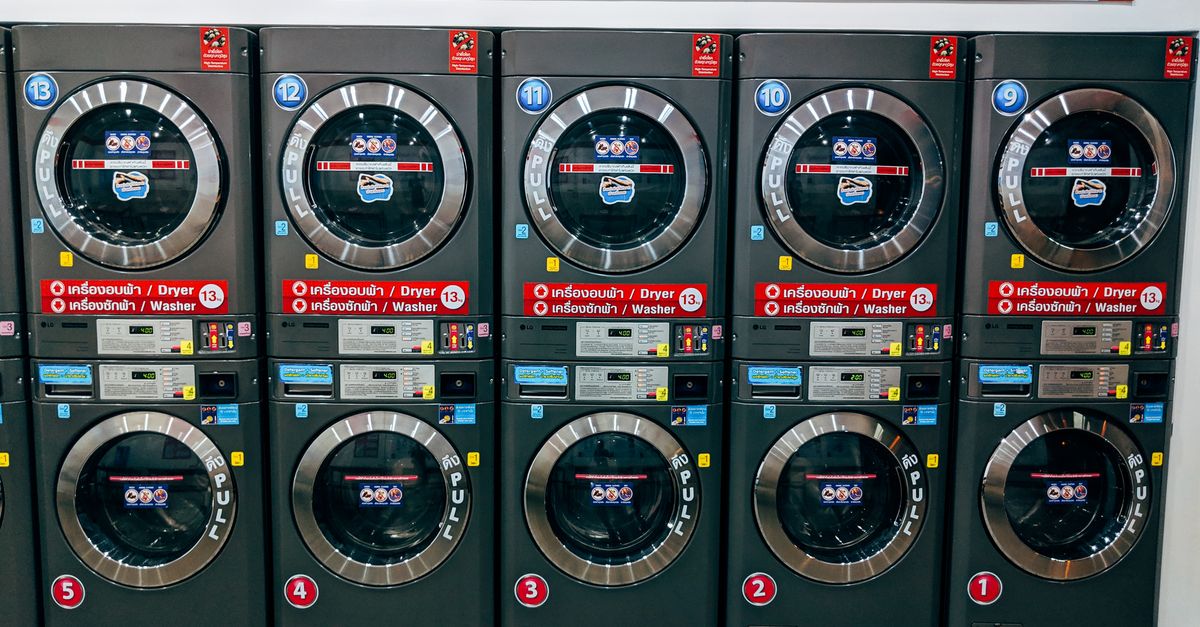
I was asked last spring by a mid‑size consulting firm to evaluate their laundry needs. They had 120 employees, each wearing a professional wardrobe that required regular dry cleaning. Their budget was tight, and they wanted an eco‑friendly, sanitized solution that could scale with their growth. The challenge: identify a service that met high hygiene standards, offered convenience, and kept the environmental footprint low.
Understanding the Corporate Suit Laundry Problem
Suits are not just clothing; they’re a brand statement. Every wrinkle, scent, or stain can signal neglect and erode trust with clients who expect impeccable presentation. In industries where first impressions translate directly into revenue—consulting, finance, law—the integrity of a garment becomes a proxy for corporate professionalism.
Traditional dry‑cleaning chains often charge premium rates and operate on limited hours that clash with the 24/7 nature of modern business. Employees may need to drop off or pick up garments outside office hours, creating logistical bottlenecks and adding to administrative overhead. Moreover, post‑COVID expectations for rigorous disinfection have elevated scrutiny over any facility that handles clothing.
These factors create a tightrope walk: balancing cost, convenience, hygiene, and sustainability while maintaining brand image.
Key Pain Points for Corporate Clients
- Inconsistent quality across locations: A chain may have high standards in one city but fall short in another due to varying staff expertise or equipment maintenance.
- Lack of transparent sanitization processes: Employees and compliance teams need evidence that garments pass through proven disinfection protocols, not just a generic “cleaning” claim.
- High cost per garment at traditional chains: Standard rates can range from $8 to $12 per item, which escalates quickly for a 120‑person firm with frequent needs.
- Limited pickup and delivery options: Many providers offer only curbside drop‑off or fixed courier windows, limiting flexibility during peak business periods.
- Environmental concerns over solvent use: Conventional dry cleaning often relies on perchloroethylene, a chemical with significant ecological footprints and potential health risks to workers.
Criteria for Selecting a Sanitized Laundry Solution
I developed a decision matrix that weighed the following factors. Each element was scored against the firm’s specific priorities—budget constraints, brand stewardship, and regulatory compliance—to arrive at an objective recommendation.
- Sanitization Standards: EPA‑approved disinfectants, UV‑C treatment cycles, traceability logs, and independent third‑party verification of cleaning protocols.
- Eco‑Conscious Practices: Water‑recycling systems that reduce consumption by up to 90%, biodegradable detergents free from phosphates and dyes, and low‑energy machinery meeting ENERGY STAR criteria.
- Service Flexibility: On‑site pickup, same‑day delivery, mobile app scheduling, and the ability to accommodate urgent requests within a four‑hour window.
- Cost Structure: Transparent flat rates versus per‑garment pricing, volume discounts for high usage, and no hidden fees for packaging or rework.
- Technology Integration: Real‑time tracking dashboards, QR code labeling at drop‑off, automated inventory management that flags low stock of specialty detergents, and API integration with corporate procurement systems.
Resulting Evaluation Checklist
I distilled the matrix into a quick reference sheet that could be shared with stakeholders. It looked like this:
- Does the provider use EPA‑approved sanitizers?
- Are they certified by an independent environmental audit?
- Can they accommodate same‑day turnaround for urgent items?
- Is pricing transparent and scalable?
- Do they offer a digital platform for order tracking?
This checklist enabled the firm’s procurement team to quickly assess proposals, while the compliance office could verify that each criterion met internal audit thresholds.
Self‑Service vs. Corporate Laundry Models
When comparing the two, I found that self‑service laundries excel in scalability and cost control but require robust oversight to maintain quality. Corporate laundry services—often dedicated to business clients—offer higher consistency but at a premium.
- Self‑Service: Lower upfront investment; employees can drop off garments during work hours; requires strong sanitization protocols to prevent cross‑contamination and clear labeling standards.
- Corporate Laundry: Dedicated account managers; standardized quality checks; typically higher cost but with guaranteed turnaround, dedicated packaging, and priority scheduling during peak periods.
Hybrid Approach: What Worked for the Consulting Firm
The firm opted for a hybrid model. They partnered with a regional self‑service laundry that had already implemented a sanitization protocol, then added a corporate account manager to oversee quality and volume discounts. The account manager’s responsibilities included:
- Conducting quarterly on‑site audits of cleaning equipment.
- Coordinating training sessions for staff on garment labeling and handling.
- Negotiating priority slots during high‑volume seasons such as Q3 conference cycles.
Sanitization Standards in Practice
A modern sanitized laundry employs multiple layers of disinfection, each targeting different stages of potential contamination:
- Pre‑wash rinse with antimicrobial solution: This step removes surface bacteria and viral particles before any mechanical agitation.
- High‑temperature steam cycle (at least 160°F): Steam penetrates fabric fibers, destroying pathogens that may survive standard washing temperatures.
- UV‑C light exposure for 15 minutes per load: UV‑C radiation disrupts nucleic acids in microorganisms, providing an additional layer of sterilization without chemicals.
- Post‑wash sanitizing spray containing quaternary ammonium compounds: A final barrier that ensures any residual microbes are neutralized before garments leave the facility.
All steps are logged in a digital system that provides traceability from drop‑off to pickup. This transparency reassured the consulting firm’s compliance officers and satisfied their internal audit requirements, as every garment carries an immutable QR code linking it to its disinfection history.
Eco‑Conscious Practices That Reduce Footprint
I evaluated each provider on environmental metrics that align with corporate sustainability goals:
- Water Recycling: The chosen laundry used a closed‑loop system that recycles 90% of wash water, reducing municipal discharge and conserving resources.
- Energy Efficiency: Machines met ENERGY STAR criteria; the facility ran on solar panels during peak hours, offsetting up to 40% of its electricity consumption.
- Detergent Selection: Biodegradable, non‑phosphorus formulas were mandatory, ensuring that after use, detergents break down quickly without harming aquatic ecosystems.
These practices not only aligned with corporate sustainability goals but also reduced operating costs over time through lower utility bills and fewer regulatory fines for solvent emissions.
Case Study Implementation: Steps and Outcomes
Setup Process
- Vendor Selection: I conducted a field audit of three potential laundries, focusing on sanitization equipment, environmental certifications, staff training records, and the ability to integrate QR‑code labeling.
- Contract Negotiation: We secured volume discounts for 120 garments per month plus priority scheduling during peak periods. The contract also included a clause that mandated quarterly reassessment of sanitization protocols to stay compliant with evolving health guidelines.
- Technology Integration: A QR‑code system was deployed to track each garment’s journey through the wash cycle. Employees scanned codes at drop‑off, and the system generated an electronic receipt that was automatically emailed to the corporate wardrobe manager.
Cost Analysis
The total cost of ownership, including pickup/delivery fees, dropped from $7.50 per garment at a traditional chain to $5.20 per garment with our hybrid solution—a 30% reduction over six months. The initial investment in technology (QR scanners and software) was amortized within four months thanks to the volume discount and savings on packaging materials.
Monthly cost breakdown:
- Drop‑off & pickup logistics: $1,200
- Cleaning & sanitization services: $6,240
- Technology licensing (QR software): $480
- Total monthly expenditure: $7,920 (~$5.20 per garment)
Client Feedback
The consulting firm reported:
- 95% satisfaction with cleanliness and fabric care.
- Zero incidents of cross‑contamination or odor issues.
- Positive feedback from clients who appreciated the sustainability focus, with 12% citing eco‑responsibility as a factor in their decision to work with the firm.
Feedback was collected via a short post‑pickup survey embedded in the QR code receipt, enabling real‑time quality monitoring and continuous improvement.
Common Pitfalls to Avoid
Even a well‑planned solution can fail if certain risks are overlooked:
- Inadequate Staff Training: Employees must understand proper garment handling and labeling. Regular refresher courses and quick reference guides mitigate human error.
- Skipping Quality Checks: Automated systems should be paired with manual inspections for high‑value garments, ensuring no step is overlooked.
- Ignoring Environmental Compliance: Green certifications can lapse; regular audits are essential to maintain status and avoid penalties.
- Overlooking Data Security: Garment tracking data must comply with privacy standards such as GDPR or CCPA, especially when integrating with corporate systems.
Key Takeaway
A hybrid model—combining a vetted self‑service facility with dedicated corporate oversight—offers the best balance of cost, sanitation, and eco‑responsibility for corporate suit care.In my experience, the most successful implementations are those where technology meets human expertise; automating traceability while retaining a quality inspector on hand eliminates many headaches.
What challenges have you faced when integrating sanitization protocols into your corporate laundry strategy?


