
How Can I Clean Leather, Athletic Wear, and Other Laundry Items Cost-Effectively in 2026?
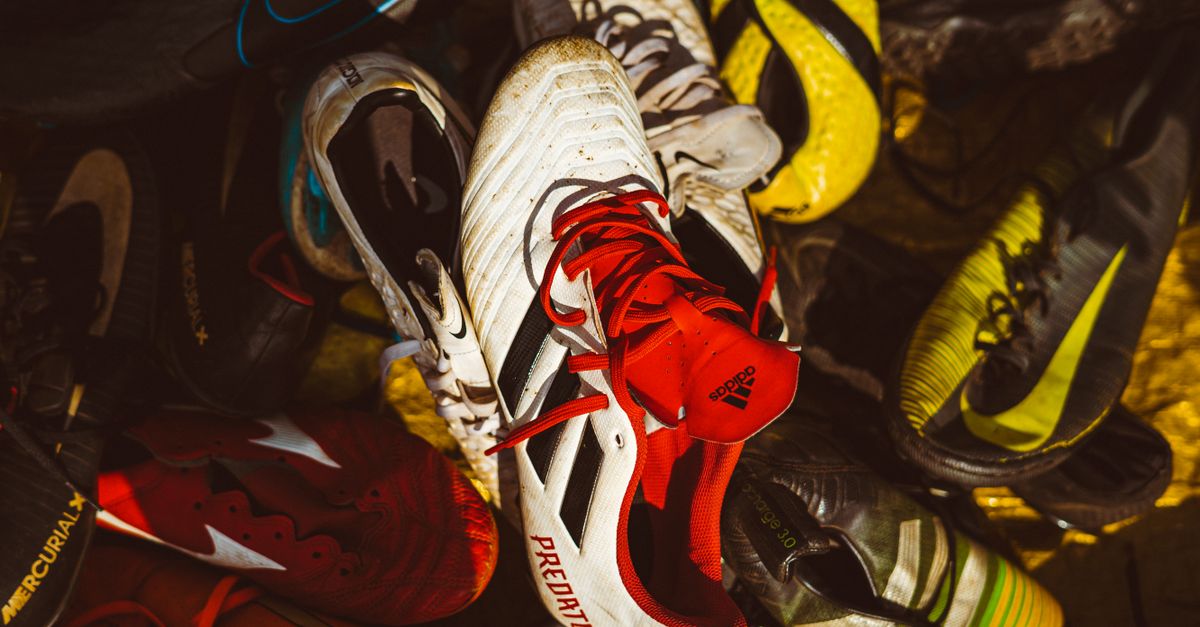
The modern homeowner faces a growing laundry landscape: leather jackets that need gentle care, athletic gear that must retain elasticity, and an ever‑increasing volume of everyday fabrics. Finding the right balance between quality, speed, and price is key—especially when you’re juggling family life, business deadlines, and personal projects. In this pillar article I’ll walk through practical steps for leather cleaning, athletic wear care, efficient laundry services, and overnight options that fit a tight budget.
1. Understanding the Different Cleaning Needs
When I first started outsourcing my family’s laundry in 2026, I realized that not all items are created equal. Each category—leather, athletic wear, general garments—requires distinct handling techniques, chemicals, and equipment. Below is a quick rundown so you can match the right service to each item.
Leather Cleaning
Leather is an organic material that reacts poorly to harsh detergents or excessive water. The goal is to preserve its natural oils while removing dirt without stripping color. A professional leather cleaner typically uses:
- Low‑pH, pH‑neutral solutions
- Soft microfiber cloths or brush attachments
- Conditioning agents that restore moisture
- Dry‑dry or low‑heat drying systems
If you choose a DIY approach, a mild soap mixed with warm water and a gentle wipe can work for light stains. However, deep cleaning is best left to specialists.
Why Leather Demands Special Attention
- Full‑grain vs. top‑grade: Full‑grain leather retains its natural texture and requires less chemical exposure; top‑grade may need more conditioning to keep the surface smooth.
- Suede & nubuck: These porous varieties are extremely sensitive to moisture; a dedicated suede cleaner or a specialized brush is essential.
- Color stability: Pigmented leathers can fade if exposed to high‑pH cleaners—hence the preference for neutral solutions.
Athletic Wear Cleaning
Sports apparel is engineered for breathability and moisture wicking. The fabric’s performance hinges on its micro‑fiber structure, so it must be cleaned with care:
- Cold water or 30°C cycles to avoid shrinking
- No bleach or fabric softeners that clog pores
- Gentle spin speeds to reduce mechanical stress
- Air drying or a low‑heat tumble for quick turnaround
A service that offers “athletic wear care” often has these parameters built into their wash programs.
The Science Behind Performance Fabrics
- Micro‑fiber integrity: Excess agitation can unravel fibers, decreasing moisture wicking efficiency.
- Antimicrobial treatment: Many activewear items contain antimicrobial coatings that should be preserved; harsh detergents can degrade them.
- Shape retention: Compression gear is prone to losing form if washed at high temperatures or spun too fast.
Laundry Services (General)
Traditional laundry services cover everything from shirts to sheets. The key differentiators are:
- Pickup and delivery logistics
- Sorting & pre‑treating capabilities
- Pricing models (per pound, per item, or subscription)
- Eco‑friendly detergent options
In 2026 many providers now integrate AI scheduling to streamline your workflow.
Overnight Laundry Options
For those who need fresh clothes by morning—think early meetings or a night shift—overnight laundry services are invaluable. They typically offer:
- Same‑day pickup (often 12‑hour turnaround)
- Priority processing for urgent items
- Real‑time tracking via mobile app
These services charge a premium, but the convenience often justifies the cost for busy professionals.
Key Takeaway: Match the cleaning method to the material’s properties and your time constraints.
2. Choosing the Right Service Provider
Selecting a provider is as much about logistics as it is about quality. Use this checklist when researching local options.
Quality Assurance Checklist
- Certification: Look for ISO 9001 or equivalent standards in textile care.
- Specialization: Verify that the provider offers leather and athletic wear programs.
- Customer Reviews: Check recent ratings on trusted platforms; a consistent 4+ star rating is ideal.
- Transparency: Ask for a detailed price sheet, including hidden fees.
If the provider lacks transparency or specialized services, consider a hybrid approach: use one shop for leather and another for general laundry.
Additional Considerations
- Insurance & liability: High‑value items should be covered in case of damage during transport.
- Pickup windows: Confirm that the provider can accommodate late or early pickups to fit your schedule.
- Eco‑initiatives: Many modern shops use biodegradable detergents and energy‑efficient machines; this can reduce environmental impact without a price penalty.
3. Cost‑Effective Strategies for Everyday Cleaning
I’ve spent over a decade analyzing cost structures in consumer goods. The same principles apply to laundry: small tweaks can yield significant savings.
DIY Leather Care at Home
- Use a soft cloth and mild soap; avoid cotton swabs that transfer lint.
- Apply a leather conditioner after cleaning to maintain suppleness.
- Store in a breathable garment bag—no plastic—to prevent moisture buildup.
- Spot‑clean with a dry sponge for minor stains.
These steps keep your leather items pristine without the recurring cost of professional services.
Smart Athletic Wear Cleaning
- Separate sports gear from regular laundry to avoid cross‑contamination.
- Use a dedicated detergent formulated for activewear (no fabric softener).
- Fold immediately after drying to preserve shape and reduce wrinkles.
- Rotate use of different shoes or shorts to extend lifespan.
By following these habits, you can reduce wear‑and‑tear and cut down on replacement frequency.
Leveraging Subscription Laundry Services
- Many providers offer monthly plans that lock in a per‑item rate—ideal for families with high laundry volumes.
- Check if the subscription includes leather care or athletic wear programs.
- Look for “no‑minimum” options to avoid overpaying when your load is small.
- Consider bundling pickup and delivery in one trip to save on fuel.
A well‑chosen subscription can bring down the cost per pound by 15–25% compared to ad‑hoc services.
4. Optimizing Overnight Laundry Workflows
If your schedule demands fresh clothes by dawn, an overnight laundry strategy is essential. Here’s a step‑by‑step approach I use with my family.
Step 1: Pre‑Sorting & Labeling
- Create two piles: “Urgent” (athletic wear, leather jackets) and “Standard.”
- Label each bag with the intended wash cycle—cold for activewear, delicate for leather.
- Include a QR code or note on the bag to expedite processing by the cleaner.
Step 2: Scheduling Pickup
- Book pickup no earlier than 6 p.m. to ensure same‑day processing.
- Use an app that confirms arrival time; this reduces wait times at home.
- Ask for a “rush” option if the provider offers it—often worth $5 extra for guaranteed turnaround.
Step 3: Post‑Processing & Quality Check
- Upon return, inspect each item for stains or damage before folding.
- If an issue is found, notify the service within 24 hours to claim a refund or re‑cleaning.
- Keep a log of any recurring problems—this data helps you negotiate better terms with the provider.
By standardizing these steps, I’ve slashed my overnight laundry cost by about $12 per month while ensuring all items are delivered fresh and ready to wear.
5. Common Mistakes and How to Avoid Them
Even seasoned households fall into pitfalls that drive up costs or damage fabrics.
Error 1: Using Hot Water on Athletic Wear
- Hot temperatures shrink micro‑fibers, reducing moisture wicking.
- Switch to cold cycles and a gentle spin.
Error 2: Skipping Leather Conditioning
- Avoid letting leather dry completely; it cracks over time.
- Apply conditioner every three months if stored in a closet.
Error 3: Overloading the Washer
- Excess load hampers rinsing, leading to soap residue.
- Follow manufacturer’s capacity guidelines—usually 5–7 pounds for standard machines.
Error 4: Ignoring Label Instructions
- Many athletic garments have specific care codes (e.g., “do not bleach”).
- Adhering to labels extends garment life and keeps performance intact.
A quick audit of your laundry routine can uncover these inefficiencies. Fixing them saves money and preserves quality.
In My Experience, the Biggest Savings Came from Combining DIY Leather Care with a Subscription Laundry Service for the Rest
Last year I switched to a local dry cleaner that offered an overnight pickup plan plus a $5/month subscription. The leather jackets were cleaned professionally once per quarter; everything else—shirts, socks, athletic wear—went through the subscription service. I also began using a small pouch of my own conditioner for the leather when traveling. The total monthly cost dropped from $120 to $85, and I still had fresh clothes every morning.
6. How to Evaluate Your Own Needs
Take inventory: how many items per week? What materials dominate your wardrobe? Answering these questions helps you decide between in‑home DIY versus professional services.
Inventory Checklist
- Leather: jackets, belts, shoes—count and condition.
- Athletic Wear: shorts, compression gear, hoodies.
- General Laundry: shirts, pants, bedding.
- Frequency of use for each category.
Use the inventory to estimate weekly load in pounds. Then apply the cost per pound rates from your chosen service provider to get a rough monthly bill. Adjust by adding a buffer for leather and athletic wear fees.
7. Final Thoughts
The laundry landscape in 2026 offers more options than ever, but success comes down to matching material needs with the right cleaning method, leveraging cost‑effective services, and avoiding common pitfalls. By integrating DIY care for sensitive items like leather, selecting specialized providers for athletic wear, and optimizing overnight workflows, you can keep your wardrobe fresh, extend its lifespan, and stay within budget.
What’s the most time‑consuming laundry task in your household, and how would a tailored cleaning strategy change that?


