
How Can I Get My Outdoor Gear Cleaned Quickly and Effectively?
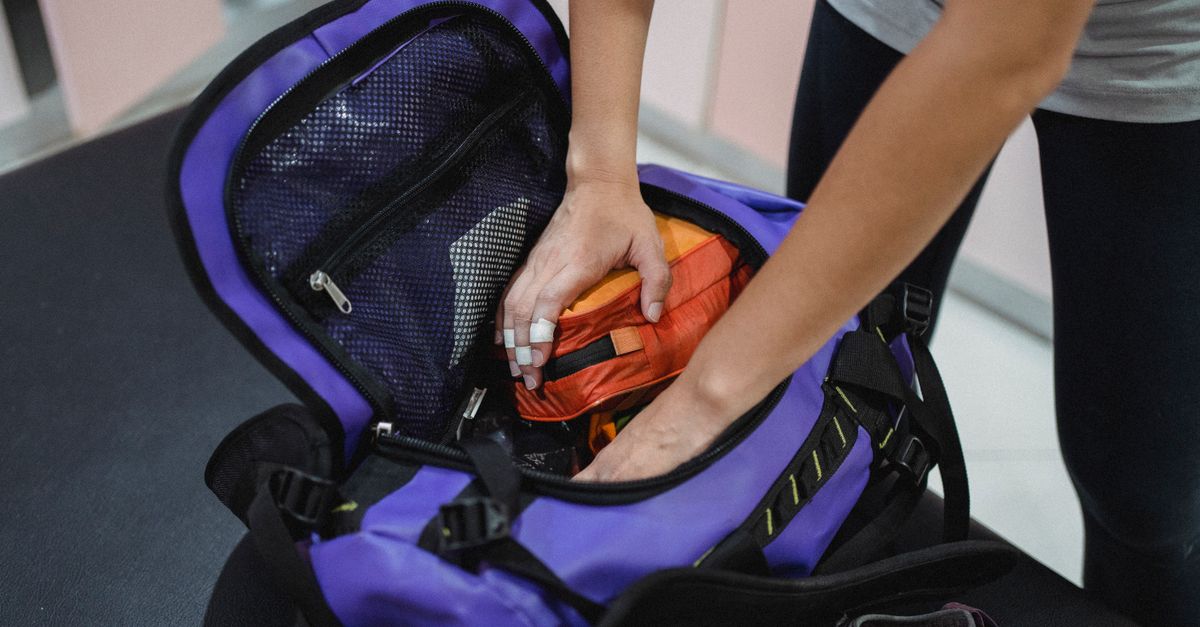
I’ve spent years running businesses that rely on efficient systems, so when my kids’ outdoor gear gets dirty after a hike or a weekend at the lake, I need a solution that’s fast, reliable, and doesn’t compromise quality. In this guide I’ll walk you through choosing premium laundry services, leveraging overnight options, using door‑to‑door pickup, and tackling stubborn stains without sacrificing performance fabrics.
Why Outdoor Wear Needs Specialized Cleaning
Outdoor apparel is engineered for extremes: waterproof membranes, breathable vents, and abrasion‑resistant panels. Conventional household detergents can strip these features, leaving gear heavy, less water‑repellent, or prone to mold. Additionally, exposure to dirt, oil, and sweat introduces contaminants that standard wash cycles miss.
Key Challenges
- Maintaining waterproof coatings – a single drop of harsh detergent can break down the hydrophobic layer.
- Preventing odor buildup from sweat and mildew – these odors cling to technical fibers and may not be removed by regular washing.
- Safeguarding reflective strips and technical seams – brightening agents and seam tapes are delicate and can fade or peel if washed in hot water.
- Avoiding shrinkage or fabric distortion during high‑temperature washes – many performance fabrics contract when exposed to temperatures above 60 °C.
- Preserving insulation integrity – down or synthetic loft can lose loft if not rinsed properly.
Understanding these challenges helps you choose a service that respects the integrity of your gear.
Selecting a Premium Laundry Service for Outdoor Gear
A premium laundry provider specializes in performance fabrics. When evaluating options, consider:
Essential Criteria
- Expertise with Technical Fabrics: Look for staff trained on GORE‑Tex, eVent, or other outdoor textiles. A certified technician can recognize fabric types and apply the correct cycle.
- Eco‑Friendly Detergents: Low‑phosphorus, biodegradable solutions preserve both the environment and garment longevity. Ask whether they use plant‑based enzymes that break down oils without harming fibers.
- Transparent Pricing: Pay per pound or per item? Does the price include stain treatment? Some providers offer a flat rate for “outdoor gear” categories, which can simplify budgeting.
- Quality Assurance: Do they offer a satisfaction guarantee or a return policy if something is damaged? A reputable company will stand behind its work with a clear repair or replacement protocol.
- Specialized Equipment: Look for washers that run at low temperatures (30‑40 °C) and have a “technical fabric” setting. Rinse units that use fresh water instead of bleach are also a plus.
In my experience, I’ve seen that providers who publish case studies on outdoor gear cleaning tend to deliver consistent results. When reading reviews, pay close attention to comments about how well the service preserved waterproofing and kept insulation loft intact.
Choosing the Right Packaging Materials
Even before a professional gets your items, proper packaging can protect them during transport and handling.
- Use Breathable Fabric Bags: Nylon or polyester mesh bags allow moisture to escape and prevent mildew buildup while keeping items separated.
- Avoid Plastic Containers: They trap dampness and can cause odor retention. If you must use a plastic bag, line it with a paper towel to absorb excess water.
- Label Clearly: Write “Technical Fabric – Handle With Care” on the outside. Include any known stains or special instructions so staff can prioritize treatment.
- Secure Loose Parts: Tie laces, buckles, and straps with a soft string or elastic band to avoid snagging during transport.
Leveraging Overnight Laundry for Tight Schedules
If you’re juggling work and family time, overnight laundry can be a lifesaver. Here’s how it works:
- Drop‑off Timing: Most services accept items by 5 pm to process the next morning. Some allow 6 pm for an additional fee.
- Fast‑Track Options: Some vendors offer express cycles that use high‑speed agitation yet gentle on fabrics, reducing cycle time without compromising cleaning power.
- Technology Tracking: Mobile apps let you see real‑time status: “In Wash,” “Rinse Cycle,” or “Ready for Pickup.” You can also receive push notifications when your gear is finished.
- Guaranteed Turnaround: A good overnight provider will promise delivery by 9 am the next day, giving you fresh gear for a morning hike or a weekend trip.
Choosing a provider with reliable overnight turnaround guarantees your gear is ready before the next adventure. If you need it sooner than the standard window, many services offer “same‑day” express pickup for an extra surcharge.
Door‑to‑Door Laundry: Convenience at Your Doorstep
Door‑to‑door pickup and delivery eliminate the need to leave the house. To maximize this benefit, follow these steps:
- Schedule Ahead: Book pickups in advance; most services allow 24‑hour notice.
- Secure Packaging: Use sturdy bags or boxes with clear labeling—“Outdoor Gear – Delicate.”
- Inspect Before Drop‑off: Note any pre‑existing damage to avoid disputes later. Photograph the item if there are visible tears or missing parts.
- Provide Contact Information: Give a phone number and an alternate email in case the driver needs to reach you during pickup.
In my experience, the most reliable door‑to‑door operators use GPS tracking and provide a digital receipt upon pickup. They also carry insurance that covers accidental damage during transport—something worth checking before signing up.
Tackling Stain Removal on Outdoor Apparel
Even with premium services, some stains require extra attention. I’ve learned that proactive treatment yields better outcomes.
Common Outdoor Stains
- Mud & Soil: Often the most visible but easiest to remove when addressed promptly.
- Oil & Grease (from campfires or cooking): Can penetrate breathable membranes if left untreated.
- Grass & Chlorine: Leaves a stubborn yellowish residue on fleece and nylon.
- Ink or Marker: From field notes or accidental spills can be hard to lift from technical fabrics.
- Salt & De‑icing Agents: Leave mineral deposits that degrade waterproofing if not rinsed fully.
Step‑by‑Step Treatment Protocol
- Blot excess with a clean cloth; do not rub, as this can spread the stain deeper into fibers.
- Apply a pre‑wash stain remover that’s safe for technical fabrics. Look for products labeled “sportswear” or “outdoor gear.” If you’re unsure, test on a hidden seam first.
- Let sit for 10–15 minutes; avoid letting it dry on the garment as this can set the stain.
- Rinse thoroughly before placing in the laundry bag. Use cold water to prevent heat‑setting of oils or inks.
If you’re using a professional service, communicate these specific stains upfront so they can apply targeted treatments and avoid compromising the fabric’s integrity.
Differentiating DIY Cleaning from Professional Services
Deciding whether to tackle outdoor gear at home or outsource hinges on several factors:
- Time Availability: DIY takes 2–3 hours for a full load, while professional services can deliver within 24 hours.
- Fabric Complexity: Gear with integrated electronics or delicate insulation may suffer from household machinery. A professional washer uses gentle agitation and low‑temperature cycles to protect these components.
- Frequency of Use: For items worn weekly, investing in a premium service pays off faster because you avoid repeated washing that can degrade performance over time.
- Cost Per Pound: In many cases, the cost differential between a quick DIY wash and a professional overnight job is less than $10 per pound when factoring in detergent savings, energy use, and your own time.
In my experience, I’ve found that the quality of a professional clean often justifies the extra expense—especially for high‑value technical jackets where a single mishandled wash can reduce lifespan by months.
Preparing Your Outdoor Gear for Laundry
The preparation step reduces damage risk and ensures optimal cleaning.
Pre‑Wash Checklist
- Check pockets; empty all items to avoid contamination. Even a small coin can scratch a delicate seam during washing.
- Tie loose laces or straps so they don’t snag on other garments, which could tear the fabric.
- Separate heavily soiled items from lightly worn pieces to prevent cross‑contamination of stains and odors.
- Label each bag with the garment type—“Jacket,” “Pants,” “Insulation”—and any special instructions like “No Heat” or “Handle With Care.”
- If possible, pre‑treat visible stains before sending items to a professional. This gives the cleaners a clear starting point and can reduce the need for aggressive chemicals.
Post‑Wash Care and Storage
A clean garment is only part of the equation; how you care for it afterward determines how long it stays performance‑ready.
- Drying: Air‑dry in a well‑ventilated area away from direct sunlight. Avoid tumble dryers unless the label explicitly states “Dryer Safe.” Excess heat can degrade waterproof coatings.
- Re‑Seal Waterproofing: Some jackets benefit from a quick re‑seal spray after washing to restore water repellency, especially if the garment is used in heavy rain.
- Storage: Hang jackets and pants on wide hangers that support the shoulders or legs. Avoid compressing insulation by stuffing it into small bags; instead, store in breathable fabric sacs.
- Regular Inspection: Check seams, zippers, and reflective strips before each use. A small seam opening can quickly grow if left unattended.
Tracking Service Quality and Ensuring Satisfaction
After delivery, inspect your items carefully. Look for:
- Preserved waterproof integrity (spray test). Lightly spray water on a hidden area; if the droplet beads and rolls off, the coating is intact.
- No residual detergent smell or harsh chemical odor.
- Unchanged seam alignment or reflective strip placement.
If issues arise, contact the provider immediately—most reputable companies respond within 24 hours. In my experience, a clear communication channel dramatically reduces turnaround time for re‑processing, and many providers offer a “second‑chance” guarantee that covers any accidental damage during cleaning.
Key Takeaway: Choose a premium laundry service that specializes in technical fabrics, use overnight or door-to-door options for convenience, and treat stains promptly to maintain outdoor gear performance. What’s the most common stain you’ve struggled with on outdoor apparel, and how did you solve it?


