
How Do I Choose the Right Delicate Garment Cleaning, Curtain Cleaning, or Ironing Service in 2026?
I’m a full‑stack programmer turned entrepreneur who spends most of my time building systems that save people time. One thing I’ve learned is that the smartest system is one that takes care of your clothes without you having to lift a finger. In this article I’ll walk through how to pick the right delicate garment cleaning, curtain cleaning, custom laundry solutions, and ironing services so that your wardrobe stays fresh, your curtains stay crisp, and you can focus on what matters.
1. Understanding the Need for Specialized Cleaning
Not all fabrics are created equal. A silk blouse can’t survive a standard wash cycle, just as a heavy curtain may be stripped of its texture if washed improperly. The first step is to identify which items need specialized care and why.
Key Factors That Distinguish Specialized Cleaning
- Fabric type: silk, wool, cashmere, linen, polyester blends.
- Color fastness: light vs. dark dyes, risk of bleeding.
- Maintenance history: prior treatments or repairs.
- Intended use: daily wear, formal events, home décor.
Once you’ve mapped out these factors, you can decide whether a delicate garment cleaning or a more routine wash will suffice. The same logic applies to curtains; their backing material and frame construction often dictate the cleaning method.
Fabric Care Charts Are Your Best Friend
Many manufacturers include a care chart on the label that lists recommended washing temperatures, permissible detergents, and whether the item should be dry‑cleaned or hand‑washed. Consulting these charts before booking a service helps you choose a provider who respects the manufacturer’s guidelines and reduces the risk of accidental damage.
2. Delicate Garment Cleaning: What Makes It Different?
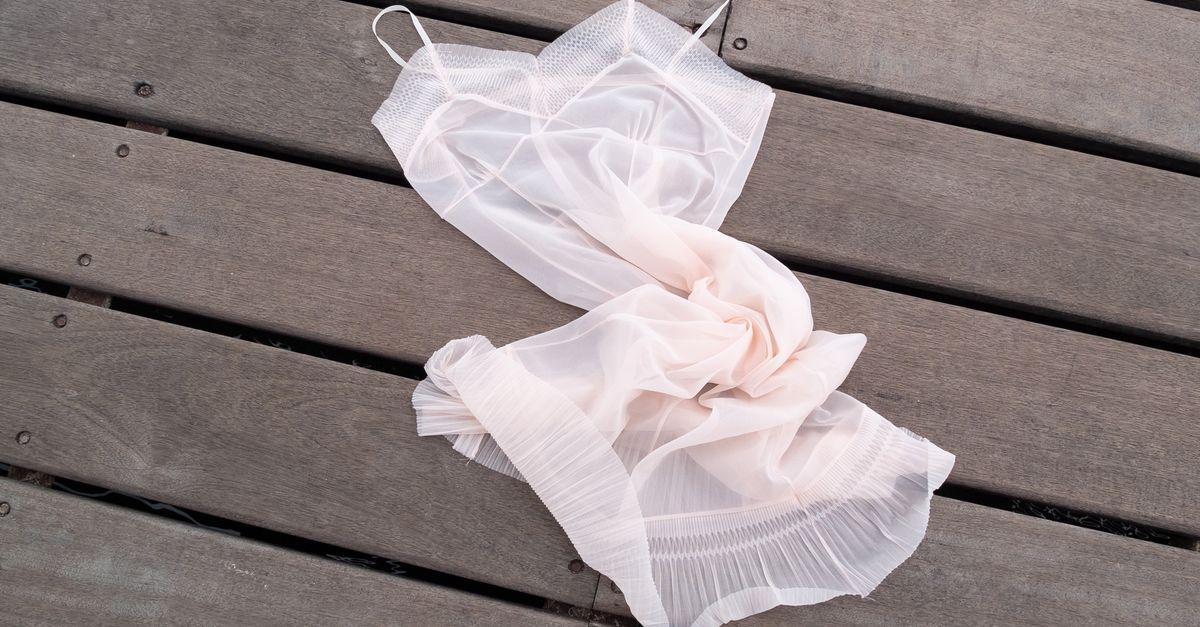
Delicate garments are high‑value items that require gentle handling. A professional delicate garment cleaning service uses low‑temperature water, specialized detergents, and manual labor to preserve fabric integrity.
What to Look For in a Delicate Garment Cleaning Service
- Certification: look for ISO or local accreditation.
- Equipment: hand‑washing stations, low‑spin centrifuges.
- Expertise: staff trained on specific fabrics.
- Stain removal techniques: pre‑treatment protocols.
- Turnaround time: balance speed with quality.
The process typically involves a pre‑inspection, a gentle wash cycle, and a final hand‑dry. In my experience, I once sent a vintage silk scarf to a service that used hot water; the result was a faded edge and a ruined knot.
Aftercare Tips for Delicate Garments
Once your garments return, store them in breathable garment bags and avoid stacking heavy items on top. If you need to re‑wash a delicate piece yourself, use a mild detergent at the lowest temperature recommended by the care label, and never overload the washing machine.
3. Curtain Cleaning: Tips and Best Practices
Curtains are often overlooked in home maintenance but can accumulate dust, allergens, and stains. A professional curtain cleaning service offers deep cleaning without damaging the fabric or frame.
Steps for Effective Curtain Cleaning
- Remove curtains from the rod: avoid pulling on the fabric.
- Vacuum gently: use a brush attachment to loosen dust.
- Spot‑treat stains: apply a mild detergent to affected areas.
- Wash in cold water: or use a machine with a delicate cycle.
- Dry flat or hang: prevent stretching and preserve shape.
When hiring a service, ask about the cleaning solution. A gentle garment care approach means using eco‑friendly, non‑bleach detergents that won’t strip color.
Choosing the Right Cleaning Solution
Some providers offer a “green” line of detergents made from plant‑based surfactants. These are particularly effective for light or sheer curtains where traditional bleach could cause fading. If you have multiple curtain types—heavy drapes, patterned blinds, and sheer panels—a single provider that can handle all variations saves time and ensures consistent quality.
4. Custom Laundry Solutions: Tailoring Services to Your Needs
Every household or business has unique laundry needs. Custom laundry solutions allow you to design a plan that fits your schedule, budget, and garment types.
Components of a Robust Custom Laundry Plan
- Pickup & delivery scheduling: weekly, bi‑weekly, or on‑demand.
- Service tiers: basic wash, premium delicate care, stain removal.
- Pricing structure: flat rate per item, volume discounts.
- Quality assurance: guarantee of no damage or color loss.
- Feedback loop: client portal to report issues.
For example, a small boutique may require daily garment turnaround with a focus on high‑end fabrics. A custom plan can incorporate both delicate garment cleaning and curtain cleaning under one umbrella, saving time and money.
Scaling Custom Laundry Solutions to Different Business Sizes
A retail shop with a limited volume may only need a bi‑weekly pickup, whereas a hotel or event venue might require daily services. Many providers offer modular plans that let you add or remove tiers as your needs evolve—ensuring you never overpay for unused capacity.
5. Ironing Services: When to Opt for Professional vs. DIY
Ironing is a labor‑intensive task that can be outsourced through professional ironing services. The decision hinges on quantity, fabric sensitivity, and time constraints.
Pros of Hiring an Ironing Service
- Consistent results: no uneven creases.
- Time savings: frees you for other priorities.
- Specialized equipment: steam irons, press cloths.
- Reduced wear: less friction on fabrics.
When DIY Might Be Better
- Low volume: a few shirts or suits.
- Budget limits: professional rates can add up.
- Personal preference: some like the tactile control.
In my experience, I once tried to iron a wool blazer myself and ended up with scorch marks; a quick call to a local ironing service saved me from a costly replacement.
Temperature Settings and Ironing Accessories
Professional services typically use calibrated steam irons that automatically adjust heat based on fabric type. They also employ press cloths to protect delicate fibers, preventing direct metal contact that can leave invisible scorch lines—especially critical for silk or chiffon.
6. Gentle Garment Care: Daily Habits That Extend Life
Professional services are great, but daily habits can reduce the need for frequent cleanings. Simple practices help maintain fabric quality and keep items looking fresh longer.
Daily Maintenance Checklist
- Shake out: remove dust from coats and jackets.
- Spot‑clean immediately: treat spills with a mild detergent.
- Rotate storage: avoid prolonged compression.
- Use garment bags: protect delicate items during travel.
- Avoid over‑washing: follow care labels strictly.
These habits are part of a gentle garment care philosophy that aligns with my own approach to system efficiency—prevent problems before they arise, rather than fixing them afterward.
Seasonal Maintenance Adjustments
In winter, fabrics like wool and cashmere can absorb moisture from humid indoor air, leading to mildew. A quick dehumidifier cycle or airing in a dry room each season keeps these fibers supple. Conversely, summer heat can cause cotton items to fade if left in direct sunlight—rotate your wardrobe accordingly.
7. Choosing the Right Service Provider: Questions to Ask
The market is crowded, but a few key questions can help you narrow down the best fit for your needs.
Essential Vetting Questions
- What certifications do you hold?
- Do you offer on‑site pickup and delivery?
- Can I see a sample of previous work?
- How do you handle stains or damage?
- What is your turnaround time for each service type?
- Do you use eco‑friendly detergents?
Ask for references from businesses similar to yours, and test the service with a single item before committing to a full contract.
Insurance and Liability Considerations
Ensure the provider carries commercial liability insurance that covers accidental damage. This protects both parties in case of mishaps—an essential safeguard when high‑value garments are involved.
The most important takeaway: Treat every garment or curtain as an investment. By selecting specialized cleaning services that match the fabric’s needs and integrating daily maintenance habits, you preserve quality while saving time and money.In my experience, I’ve seen families save up to 30% on laundry costs by switching from standard wash cycles to a tailored custom laundry solutions plan. The result is cleaner clothes that last longer, plus more free minutes for the kids to play video games or practice guitar.
What’s your biggest challenge when it comes to maintaining delicate fabrics at home?


