
How to Choose a Reliable Military Uniform Cleaning Service in 2026
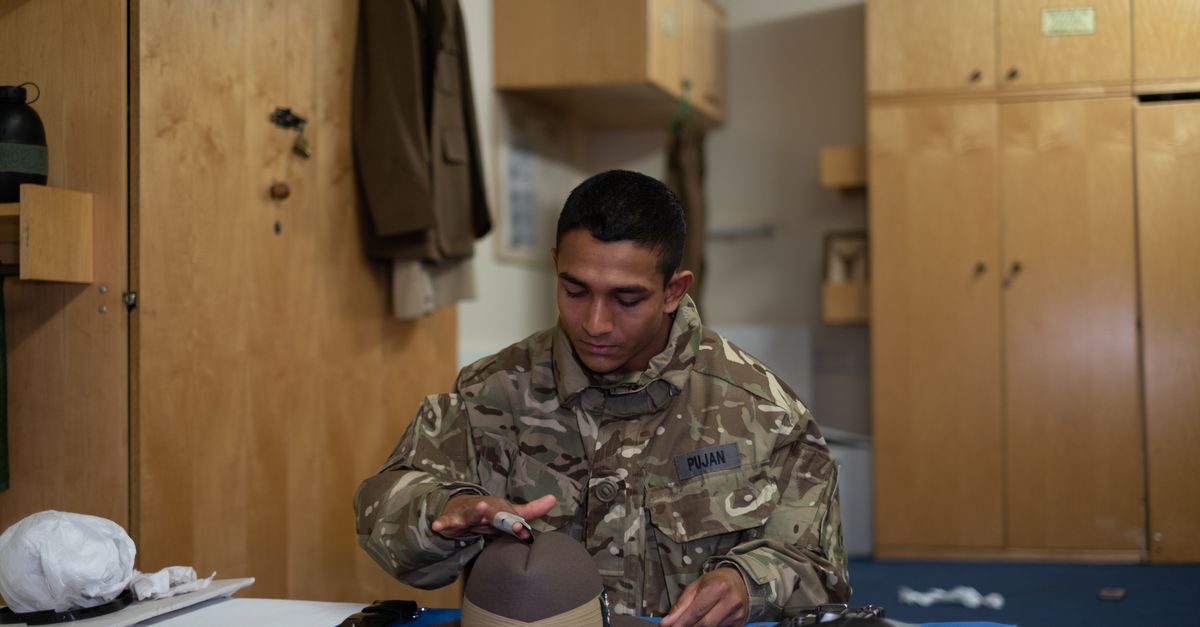
I’ve spent the last decade building systems that deliver consistent, high‑quality results for complex operations. When it comes to military uniform cleaning, the stakes are higher: uniforms must retain their structural integrity, color fidelity, and protective features while meeting strict hygiene standards.
1. Understanding the Unique Needs of Military Uniforms
Military uniforms differ from regular apparel in material composition, maintenance requirements, and regulatory compliance. They often incorporate flame‑retardant fibers, moisture‑wicking layers, and reinforced seams that must be preserved during cleaning. Additionally, many service members are required to maintain a uniform appearance for official inspections.
Beyond the basic fabric concerns, uniforms may also carry embedded electronics—such as RFID tags or biometric sensors—that demand gentle handling. The presence of specialty coatings, like anti‑mildew or UV‑resistant layers, further complicates the cleaning process because these finishes can be stripped by aggressive detergents or high heat.
Because military dress codes are highly prescriptive, even a slight color shift or seam distortion can result in disqualification during a muster. Therefore, any cleaning provider must demonstrate not only technical expertise but also an intimate understanding of each uniform’s functional role and the operational context it serves.
2. Key Factors When Selecting a Cleaning Provider
Choosing the right vendor involves evaluating several technical and operational criteria. Below is a practical checklist of what I focus on when vetting services:
Certification and Compliance
- ISO 9001 or equivalent quality management certification.
- Compliance with Department of Defense (DoD) Uniform Standards.
- Knowledge of hazardous material handling for flame‑retardant fabrics.
These certifications are more than paperwork; they reflect a vendor’s commitment to continuous improvement and adherence to industry benchmarks. When a provider can demonstrate that its processes meet DoD standards, it signals confidence that the cleaning will not compromise safety or performance.
Equipment and Technology
- High‑pressure, low‑temperature washers to avoid fabric distortion.
- Dedicated UV or ozone sanitization units for pathogen elimination.
- Automated sorting systems that track each uniform’s service history.
For example, a low‑temperature wash cycle at 40 °C preserves flame‑retardant properties while still removing sweat and oils. UV treatment provides an extra layer of disinfection without the need for harsh chemicals, which is essential when dealing with biohazards or sensitive electronic components.
Eco‑Friendly Practices
- Use of biodegradable detergents and water‑recycling systems.
- Energy‑efficient machinery to reduce carbon footprint.
- Transparent reporting on chemical usage.
Military installations are increasingly evaluating the environmental impact of their supply chain. A vendor that offers green cleaning solutions can help units meet both operational and sustainability objectives, a factor that is becoming part of DoD procurement criteria.
Pricing Structure
- A clear breakdown of per‑item versus bulk rates.
- Optional add‑ons such as pre‑inspection, repair, or expedited service.
- No hidden fees for rework or loss claims.
The transparency of the pricing model is crucial. A vendor that can provide a detailed cost sheet allows planners to forecast budgets accurately and avoid surprise overruns during peak deployment periods.
These criteria help me assess whether a provider can deliver on time without compromising quality.
3. Comparing In‑House vs Outsourced Cleaning
Many military installations maintain their own laundry facilities, but outsourcing offers distinct advantages:
- Scalability: A commercial service can handle seasonal spikes during deployments.
- Specialization: Dedicated units focus exclusively on uniform care rather than general laundry.
- Cost Efficiency: Lower capital investment in equipment and labor.
In‑house facilities may still be preferable for units with high turnover or those requiring immediate turnaround. The decision should align with operational tempo, budget constraints, and the need for specialized expertise.
A practical approach is to adopt a hybrid model: maintain a small in‑house team for routine cleaning and rapid repairs while leveraging an external partner for large batches or deep cleaning cycles. This strategy combines flexibility with cost control and ensures that no single point of failure jeopardizes uniform readiness.
4. Delicate Fabric Care for High‑Value Items
Delicate fabric care is critical when uniforms contain embedded electronics, insignias, or specialty coatings. A seasoned provider will:
- Perform a pre‑cleaning inspection to identify weak points.
- Use gentle agitation cycles and non‑ionic detergents.
- Apply protective finishes post‑wash to maintain flame resistance.
Failing to follow these steps can lead to premature wear, discoloration, or loss of functional properties. For instance, a uniform with a small RFID tag may experience tag failure if exposed to high agitation; similarly, excessive heat can degrade the protective coating on a flight jacket, reducing its resistance to oil and flame.
After cleaning, it is standard practice to conduct a post‑wash quality check that verifies color fastness, seam strength, and retention of any functional coatings. This step ensures that every item returned to service meets the same stringent standards it entered with.
5. Bag Cleaning Services and Their Role in Uniform Maintenance
Uniform storage bags often harbor dust, moisture, and contaminants that degrade fabric quality. Professional bag cleaning services address this by:
- Vacuuming interior surfaces to remove particulates.
- Treating with antimicrobial agents safe for textile fibers.
- Offering repair or replacement of torn seams.
Incorporating bag care into the overall maintenance program extends uniform longevity and preserves appearance. A simple example: a padded flight jacket stored in a damp bag can develop mold if not cleaned regularly, compromising both comfort and safety for the wearer.
Many vendors now offer a bundled service that cleans both uniforms and their storage bags simultaneously, reducing handling steps and ensuring consistency between garment and container care.
6. Restaurant Linen Cleaning as a Benchmark for Standards
The restaurant industry frequently deals with high‑volume, high‑frequency laundering of linens that must meet strict hygiene standards. By studying their protocols—such as segregated color lines, temperature control, and rapid turnaround—I can extrapolate best practices to military uniform care:
- Use of color‑fast detergents to prevent bleeding.
- Temperature cycling that balances pathogen kill with fabric preservation.
- Rigorous quality checks before release.
This cross‑industry insight helps me set realistic expectations for cleaning performance and turnaround times. For example, a restaurant might use a 60 °C wash cycle to eliminate bacteria while still preserving cotton napkins; similarly, uniforms can be cleaned at 40–50 °C with specialized detergents that maintain flame‑retardant properties.
Additionally, the restaurant model of “first in, first out” ensures that older linens are prioritized for cleaning. Applying this approach to uniform fleets guarantees that items with higher wear exposure receive timely service, preventing premature degradation.
7. Common Mistakes to Avoid
Even experienced providers can slip into pitfalls that compromise uniform integrity:
- Skipping pre‑inspection, leading to unnoticed damage.
- Using harsh chemicals on flame‑retardant fabrics.
- Failing to document service history for each item.
- Neglecting aftercare instructions for wearers.
By verifying that potential vendors address these issues, I reduce the risk of costly repairs or replacements later.
For instance, a provider that does not track each uniform’s cleaning cycle may inadvertently expose a garment to repeated high‑heat treatments, shortening its lifespan. Likewise, neglecting aftercare—such as advising service members on proper drying methods—can result in shrinkage or seam distortion during everyday use.
8. Checklist for Evaluating Potential Vendors
When interviewing a cleaning service, ask targeted questions and request evidence:
- Do you have DoD uniform handling certifications?
- Can you provide case studies of similar military clients?
- What is your turnaround time for 100 uniforms?
- How do you handle lost or damaged items?
- Are your environmental claims verified by third‑party audits?
Collecting this data allows a clear, objective comparison across providers.
During the interview process, it is beneficial to request a site visit. Observing the vendor’s facilities firsthand—particularly how they segregate different fabric types and manage chemical storage—provides invaluable insight into their operational rigor.
The most critical factor is certification and proven compliance with military standards; it guarantees that the cleaning process will not compromise uniform functionality or appearance. In my experience managing logistics for a large defense contractor, I saw firsthand how a vendor’s lack of proper flame‑retardant handling led to an entire batch being scrapped. That incident cost $15,000 and delayed deployment by two weeks.I recommend building a long‑term partnership with a vetted provider rather than switching services frequently. Consistency reduces surprises and builds trust over time.
What challenges have you encountered when outsourcing uniform cleaning for your organization?


