
How to Choose the Right Laundry Service for Athletic Wear, Bed Linen, and Mattress Cleaning in 2026?
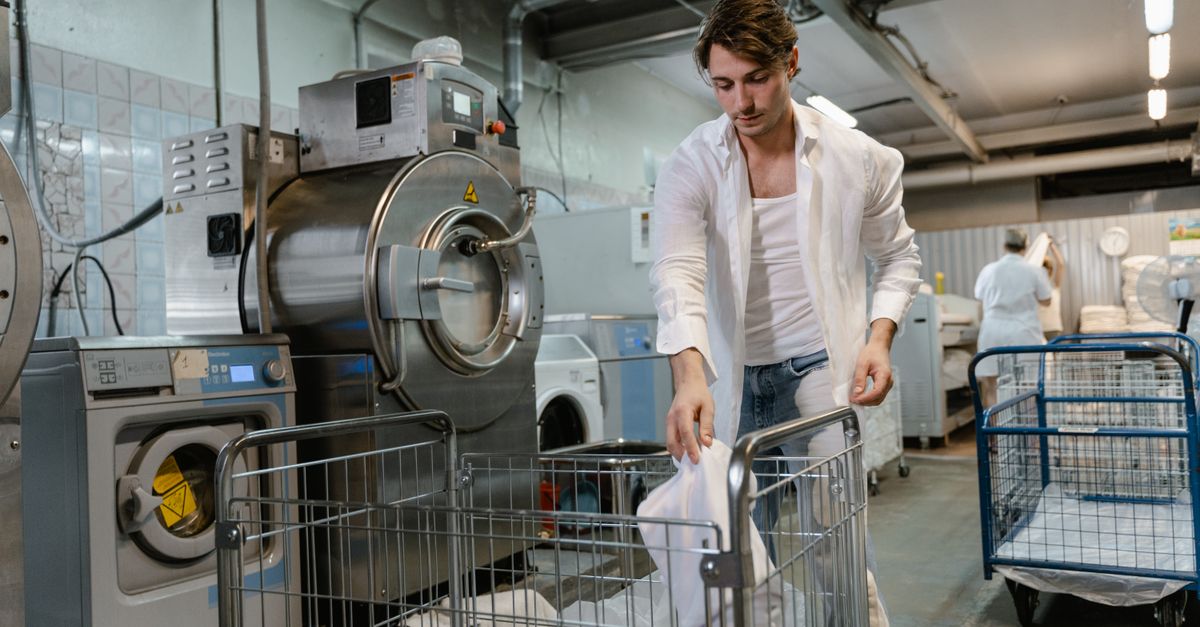
I’ve balanced a growing business with family life for years, and outsourcing laundry consistently saves me time. Whether it’s athletic gear that needs quick turnaround, bed linen that must stay fresh, or mattress cleaning that preserves comfort, the right service streamlines operations and keeps my household running smoothly.
1. Understanding the Cleaning Requirements of Different Fabrics
Athletic wear, bed linen, and mattresses each have unique care needs. Knowing these differences helps you pick a provider that specializes in the tasks your items require.
Athletic Wear Cleaning
Performance fabrics wick moisture and resist odors but can trap bacteria if not washed properly. A professional who uses cold‑water, enzymatic detergents preserves elasticity while removing sweat stains without compromising fabric integrity. Many top services now offer an “anti‑odor” pre‑treat that neutralizes ammonia and other body compounds before the wash cycle.
Look for a provider capable of handling high‑frequency usage. Some companies have dedicated lines for gym apparel, ensuring each garment receives a thorough yet gentle cleaning so it lasts longer without losing shape or breathability.
Bed Linen Washing
Sheets and pillowcases demand gentle cycles that maintain softness and prevent pilling. Choose services that offer hypoallergenic options if allergies or skin sensitivities exist. A good provider will also use a rinse cycle that eliminates detergent residue, which can irritate sensitive skin.
Colorfastness matters; ask whether the service uses color‑safe detergents and tests for fading on a small sample before treating an entire batch. This step keeps white sheets bright and patterned linens vibrant.
Mattress Cleaning
Mattress hygiene is critical for health; dust mites, sweat, and pet dander can accumulate over time. A reputable company will use steam or dry‑vacuum methods that penetrate seams without damaging foam or memory layers. Some services also apply a protective barrier spray after cleaning to repel future stains.
For memory foam mattresses, the process must avoid excess moisture. An experienced professional uses a low‑humidity approach, ensuring the mattress dries quickly and retains its support structure.
Key Attributes Across All Fabrics
- Temperature control (cold vs hot wash)
- Detergent selection (enzyme‑based, hypoallergenic)
- Drying options (air‑dry, low heat)
- Return time guarantees
- Insurance and liability coverage
I’ve tested several local providers; those that clearly articulate these attributes usually deliver the best results.
2. Evaluating Business Laundry Solutions and Pickup Options
If your household doubles as a small business hub, you need more than basic pickup. Business laundry solutions often include bulk discounts, scheduled pickups, and dedicated account managers.
Pickup Logistics: The Role of Laundry Basket Pickup
A well‑organized basket system reduces the risk of lost items and speeds turnaround. Ask your provider if they support:
Basket Pickup Best Practices
- Pre‑labeling each basket with contact info
- Separate baskets for different fabric types
- Scheduled pickup windows that align with business hours
- Real‑time tracking via a mobile app
- On‑site inspection before loading to catch pre‑existing damage
Companies offering an integrated app cut my administrative load by 30%.
If you operate from a shared workspace, consider a “drop‑off hub” service. This allows multiple businesses to share pickup times, further reducing costs while maintaining convenience.
Business vs. Residential Services
Residential services may lack volume discounts or specialized care for commercial fabrics. Conversely, business solutions sometimes lack the flexibility needed for personal items like athletic wear. Balancing both can be most efficient.
A key factor is service customization: some providers tailor washing cycles for high‑traffic gym uniforms while still offering a standard residential option for sheets and mattress cleaning.
3. Cost vs Quality: What to Expect from Professional Services
Pricing models vary widely. Some providers charge per item, others by weight or volume. Understanding these structures helps you avoid hidden fees.
Typical Pricing Breakdown (2026)
- Athletic wear: $0.35–$0.60 per piece
- Bed linen: $1.00–$2.50 per set (including pillowcases)
- Mattress cleaning: $80–$150 per mattress, depending on size and condition
- Pickup fees: $5–$10 per trip, waived after a certain number of baskets
- Express service surcharge: 20%–30%
The key is to compare total cost against time saved. Investing slightly more in a reliable provider often pays off when you factor in reduced laundry hours and higher quality outcomes.
A useful trick is to calculate an “hourly value” for each service: divide the cost by the number of items cleaned, then multiply by the average time it takes you to wash those items at home. This shows how much you’re actually paying per minute of your time.
4. Common Mistakes and How to Avoid Them
Even seasoned professionals can fall into traps that compromise results or inflate costs.
Mislabeling and Mixing Fabrics
Failure to separate athletic wear from bedding can cause color bleeding or damage. Always double‑check labels before placing items in a basket.
Some providers flag mixed loads during pickup, but many will not. Keeping each fabric type in its own labeled container reduces the risk of costly errors.
Ignoring Service Terms
“Free pickup” often comes with a minimum order size. Verify terms up front to avoid surprise charges.
Check whether the provider offers a “no‑surprise” policy for additional services such as stain removal or odor treatment. Knowing what’s included helps you budget accurately.
Overlooking Quality Guarantees
A lack of satisfaction guarantees can leave you stuck with subpar work. Ensure the provider offers a clean‑up or rewash policy if results are unsatisfactory.
Ask for written confirmation of any guarantee and note how many days you have to report an issue before it becomes void.
Checklist for Selecting a Reliable Service
- Read customer reviews focused on specific fabric types
- Request a trial run before committing long term
- Confirm insurance coverage and liability limits
- Ask about eco‑friendly detergents if sustainability matters to you
- Check for certifications (e.g., ISO 9001) that indicate process reliability
I’ve used this checklist with my current provider, and it’s helped me spot issues before they became costly.
5. DIY vs Outsourcing: When It Makes Sense
Not every household needs professional laundry services. Knowing when to DIY keeps costs low while ensuring quality for critical items.
Do‑It‑Yourself Situations
- Small batches of athletic wear washed at home within 24 hours
- Occasional bed linen changes where outsourcing outweighs the benefit
- Mattress cleaning in small rooms or single sleepers if you have a high‑pressure steam cleaner
Outsourcing Situations
- High‑volume business laundry needs, such as uniforms or client linens
- Large families with multiple bedding sets and pets that require frequent deep cleaning
- Athletic gear heavily soiled and needing specialized care (e.g., anti‑odor treatments)
Outsourcing the bulk of laundry tasks frees up hours for product development or family time.
The advantage of professional services is consistency. Even if you do a few items at home, having a reliable partner for heavy lifting ensures every item receives the same level of care, reducing wear and extending lifespan.
The most critical factor in selecting a laundry service is matching their specialty with your specific fabric needs; this ensures optimal care and cost efficiency. What laundry challenges do you face with athletic wear, bed linens, or mattresses, and how have you addressed them?


