
Overnight Laundry vs Coin Laundry: Which Is Best for Delicate Fabrics?
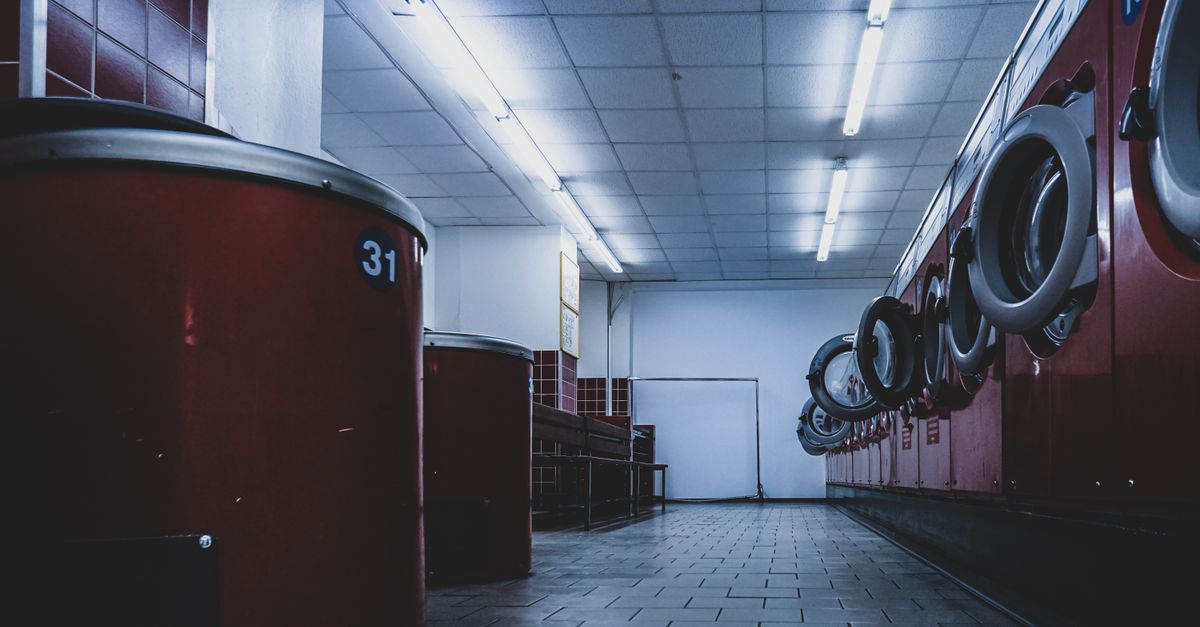
I’ve spent years testing laundry hacks for everything from silk gowns to leather jackets, and the debate over overnight versus coin laundry is a classic. Below I lay out the facts so you can decide which method best protects your delicate garments.
Understanding Delicate Fabrics
Delicate fabrics—silk, cashmere, fine wool, and treated leather—react differently to washing cycles, temperature, and agitation. Knowing each material’s limits is the first step in choosing a safe laundry routine.
Key Material Considerations
- Silk: Sensitive to heat; requires gentle detergents and low spin speeds.
- Cashmere: Shrinks or pills if washed too hot or with heavy agitation.
- Fine wool: Needs cold water and a “wool” cycle or hand wash.
- Leather: Must be cleaned lightly; harsh detergents can strip oils.
Overnight Laundry Method
This DIY approach lets you control temperature, detergent, and cycle. It’s ideal when you have time before the next day and want to avoid the crowds.
Typical Overnight Setup
- Use a front‑load washer set to cold water.
- Add a gentle, fragrance‑free detergent designed for delicates.
- Select a “delicate” or “wool” cycle; if unavailable, use the shortest cycle.
- Place garments in a mesh laundry bag to reduce friction.
- Set the spin speed to low (≤800 rpm).
I’ve run this routine on silk blouses and leather jackets with consistent results. The key is never to overload the machine; each item needs room to move freely.
Before you start, give each garment a quick inspection. Gently brush off any loose dirt or lint with a soft brush or a clean toothbrush; this helps prevent clogging in delicate fabrics during the wash cycle. If a stain is visible, apply a small amount of gentle liquid detergent directly to the spot and let it sit for 5–10 minutes—this pre‑treatment step can save you from having to rewash later.
Coin Laundry Method
Public laundromats offer convenience, especially if you’re short on time or lack a home washer. However, machines can be older, and cycles less customizable.
Typical Coin Laundromat Conditions
- Most washers default to 40–60 °C; some have a “delicate” setting but often still use higher temperatures.
- Spin speeds are usually high (1200–1400 rpm).
- Detergents may not be specialized; you’re limited to what’s available on site.
- The machine’s internal drum can have worn surfaces that increase friction.
In my experience, a coin laundromat works best for garments that tolerate a bit more agitation—like certain cotton blends—but I’ve seen leather and silk suffer when the cycle isn’t gentle enough.
Not all laundromats are created equal. When you arrive, look for a facility that offers front‑load machines because they tend to be gentler on fabrics than top loaders. Check the machine’s age—newer models usually have smoother drum interiors and more precise temperature controls. If possible, ask the attendant whether a particular unit has a “delicate” or “wool” setting; this can make a significant difference for silk or leather.
Side‑by‑Side Comparison
| Overnight Laundry | Coin Laundry | |
|---|---|---|
| Temperature Control | Yes, set to cold or 30 °C | Limited; often 40–60 °C |
| Cycle Customization | Full control (delicate, wool, low spin) | Often only “normal” or “heavy” |
| Detergent Choice | Any gentle detergent | Only available on premises |
| Risk of Damage | Low if following guidelines | Higher for sensitive fabrics |
| Convenience (time) | Requires early start, but no queueing | No prep time; just drop in |
| Cost per Load | Electricity + detergent (~$0.30–$0.50) | Coin machine fee ($1–$2) plus detergent |
| Drying Options | Choose to air‑dry or use a delicate drying cycle if available. | Usually requires manual tumble or quick‑dry, which can be harsh on silk and leather. |
The table shows that for silk or leather, the overnight method offers safer parameters. For cotton blends or items labeled “dry clean only,” coin laundry may be acceptable if you find a machine with a gentle setting.
Decision Factors to Consider
Selecting between methods boils down to these practical criteria.
Key Decision Variables
- Garment Type: Silk and leather favor overnight; cotton blends can handle coin laundry.
- Time Availability: Need to wash before the next day? Overnight is best.
- Budget: Coin laundromats add a per‑load fee; consider how many delicate items you’ll wash.
- Equipment Quality: If your home washer has a dedicated delicates cycle, that’s a win.
- Location: Proximity to a laundromat can make it the only viable option.
I’ve mapped these variables on a simple decision matrix for quick reference; you can adapt it to your own schedule and wardrobe.
Practical Tips for Overnight Laundry
- Read Labels First: Skip anything marked “dry clean only.”
- Separate by Color: Avoid color bleeding with a dark‑only or light‑only load.
- Use Detergent Wisely: One teaspoon of liquid gentle detergent per 8 oz. of water is enough for most delicate loads.
- Low Spin, Low Heat: Set spin speed to ≤800 rpm; keep temperature at 30 °C or below.
- Dry Carefully: Air‑dry flat on a towel; avoid hanging silk that can stretch.
In my experience, following these steps consistently eliminates shrinkage and preserves sheen in silk garments after multiple washes.
Practical Tips for Coin Laundry
- Select the Right Machine: Look for a front‑load washer with a “delicate” or “wool” cycle button.
- Adjust Temperature Manually: If possible, set to 30 °C; otherwise, choose the lowest available setting.
- Choose Gentle Detergent: Bring your own or use a store‑bought mild detergent; avoid fabric softeners that can leave residue on leather.
- Use a Mesh Bag: Protects items from drum abrasion and prevents small parts from getting stuck in the machine.
- Monitor Spin Speed: If adjustable, set to low. If not, be aware that high spin may cause stretching.
I’ve found that using a mesh bag significantly reduces wear on both silk blouses and leather jackets during coin laundry cycles.
Common Mistakes & How to Avoid Them
- Overloading the Washer: Leads to poor rinsing and increased friction. Keep loads small.
- Using Hot Water: Even a single minute at 60 °C can shrink silk or melt leather dyes.
- Neglecting Pre‑Treatment: Small stains on delicate fabrics should be spot‑treated before the full wash.
- Ignoring Care Labels: “Dry clean only” items are not safe for any home cycle; they need professional service.
- Rushing Drying: High heat or hanging silk directly can distort shape. Air drying is safest.
In my experience, the biggest error is treating a delicate item like a regular cotton shirt. Once you respect the garment’s limits, the rest becomes routine.
What has been your most effective trick for keeping silk or leather garments looking fresh after multiple washes?


