
Pillow Cleaning Best Practices for Hotels and Corporate Spaces
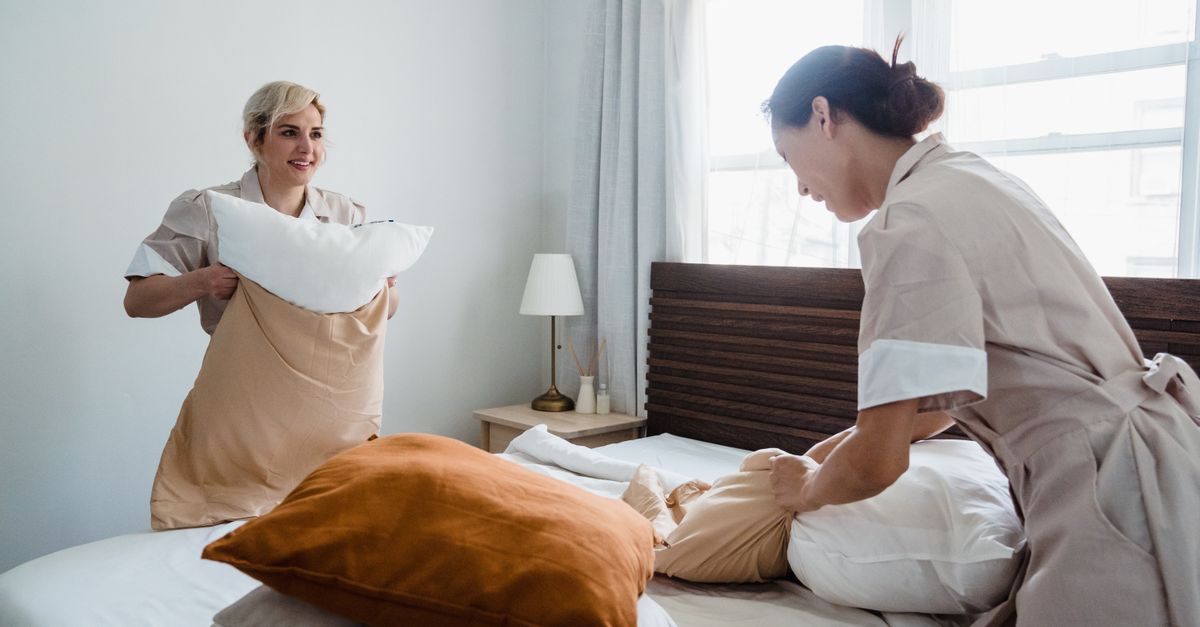
Running a hotel, corporate office, or high‑traffic rental property means every surface must stay spotless. A dusty pillow or worn couch cover can shift a guest’s experience from “pleasant” to “questionable.” This guide explains why pillow cleaning, laundry for hotels, corporate laundry services, couch cover cleaning, and clothes cleaning are essential, and gives practical tools to choose providers and manage costs.
Today, guests expect pristine textiles as part of their stay. A well‑maintained linen program signals professionalism, supports brand consistency, and can justify higher room rates by offering premium amenities.
1. Understanding the Scope: What Each Service Covers
Before signing a contract, know exactly what each category includes and how they overlap in practice.
Pillow Cleaning
Pillows gather dust mites, sweat, body oils, and allergens, compromising comfort and health standards. High‑density pillows (down, memory foam) need special care to preserve loft.
- Common contaminants: skin cells, hair fragments, pet dander, environmental allergens.
- Regular inspection catches early mold or mildew that threatens fabric integrity.
Laundry for Hotels
This umbrella term covers sheets, pillowcases, towels, and any textile circulating in the hotel. It includes washing cycles, drying protocols, and quality inspections tailored to hospitality regulations.
- Sheets: cotton or polyester blends, washed at 60°C to kill germs.
- Pillowcases: higher detergent concentration for trapped oils.
- Towels: high‑temperature rinse removes body residues and maintains absorbency.
Corporate Laundry Services
In corporate settings, laundry focuses on uniforms, client‑facing textiles, and sometimes office furniture covers. The goal is consistent appearance and hygiene across locations or departments.
- Uniforms: frequent laundering can fade colors; stain removal keeps them crisp.
- Client fabrics (blazers, scarves): delicate handling preserves brand image.
- Conference room covers: must resist spills from drinks and food.
Couch Cover Cleaning
Commercial couches in lobbies or waiting areas attract spills, pet hair, and stains. A robust cleaning protocol extends asset life while preserving brand image.
- Stain treatment: oil-based vs. water-based solutions.
- Fabric reinforcement: periodic deep conditioning prevents abrasion.
- Ventilation: controlled drying stops mold growth.
Clothes Cleaning
Beyond linens, clothes cleaning is vital for employee uniforms, event attire, and client gifts. Proper garment care maintains fabric integrity and prolongs resale value.
- Event gowns: meticulous stain removal and wrinkle prevention.
- Gift textiles: high‑quality packaging reduces damage during transport.
- Employee shirts: regular de‑staining preserves corporate identity.
Key Elements Every Service Should Include
- Pre‑inspection checklist documents condition before washing, ensuring accountability.
- Temperature and detergent controls align with material specs to avoid degradation.
- Post‑wash quality audit against industry standards records compliance.
- Eco‑friendly options offer biodegradable detergents and low‑energy equipment.
- Rapid turnaround times meet tight schedules, with buffer days built into contracts.
A clear taxonomy reduces confusion when discussing needs with vendors. I’ve seen managers mix up “pillow cleaning” and “laundry for hotels,” leading to duplicated services and inflated invoices.
2. Choosing the Right Service Provider: Key Criteria
Selecting a partner is more than price comparison. You need reliability, scalability, compliance, and tech integration that match your business model.
Reliability & Track Record
A proven history of on‑time delivery signals operational maturity. Look for client testimonials, case studies, or certifications such as ISO 9001.
- Ask for a list of hospitality clients to gauge experience.
- Inquire about incident resolution processes for missed deadlines.
Scalability & Flexibility
Volume can fluctuate during peak seasons or events. A provider offering tiered service levels adapts without compromising quality.
- Confirm capacity for surge orders (e.g., 10% increase during holidays).
- Check for backup facilities to handle overflow.
Compliance & Certifications
Hotels must meet health regulations (HOSHA, local codes). Corporate clients may need ISO 14001. Verify documentation before signing.
- Request recent audit reports or inspection certificates.
- Ensure adherence to waste‑disposal laws and chemical handling guidelines.
Technology Integration
Modern vendors use cloud tracking for real‑time status updates. If you run an online booking platform, API integration can sync laundry schedules with room readiness.
- Test the vendor’s mobile app for order placement and alerts.
- Verify support for barcode or RFID tagging.
Sustainability Practices
Eco‑friendly detergents, water‑recycling systems, and energy‑efficient machines reduce costs and appeal to eco‑conscious guests.
- Ask about carbon footprint measurement tools.
- Confirm use of renewable energy where possible.
Decision Matrix for Quick Comparison
| Criterion | Weight |
|---|---|
| Reliability | 25% |
| Scalability | 20% |
| Compliance | 15% |
| Tech Integration | 15% |
| Sustainability | 10% |
| Price Competitiveness | 5% |
Score each vendor against the matrix and pick the highest total. I’ve used this approach for a boutique hotel chain, cutting negotiation time by 40%.
The most valuable insight: A single partner can handle pillow cleaning, laundry for hotels, corporate laundry services, couch cover cleaning, and clothes cleaning under one roof—saving you time, money, and headaches.3. Cost Breakdown and ROI for Each Category
Understanding true costs helps budget accurately and spot efficiencies.
Pillow Cleaning Costs
Rates typically range from $0.20 to $0.50 per pillow, based on material and volume. Bulk contracts secure a flat rate—ideal for high‑occupancy hotels with 200+ rooms.
- A 200-room hotel averages 400 pillows; at $0.35 each, yearly cost ≈ $15,600.
- Include packaging (boxes or bags) and transport fees in total spend.
Laundry for Hotels
Pricing is per pound of fabric. For example, sheets may cost $0.30/lb; towels $0.25/lb. A typical set weighs ~12 lbs.
- A room set at 12 lbs costs $3.60 per cycle at $0.30/lb.
- Volume discounts can lower this to $0.25/lb for large chains.
Corporate Laundry Services
Uniform laundering averages $1–$2 per item per cycle, depending on fabric and brand. Bulk discounts apply when multiple locations are serviced together.
- A 50‑employee office with 2 shirts weekly could spend ~$100 at $1/shirt.
- Single-provider contracts can shave 10–15% off that cost.
Cost Comparison Table (per Item)
| Item | Per Cycle Cost |
|---|---|
| Pillow | $0.35 |
| Sheets + Pillowcase Set | $3.20 |
| Towels (4) | $1.00 |
| Uniform (shirt) | $1.50 |
| Couch Cover (12” x 36”) | $2.80 |
Return on Investment (ROI) Metrics
Quality laundry reduces replacement needs, especially for couch covers that can last up to five years with proper care. Clean textiles also lift guest satisfaction scores—directly driving repeat business and higher rates.
- A 0.3‑point star increase can boost occupancy by 2–3%.
- Fewer fabric replacements save on materials, labor, and waste disposal fees.
4. Common Mistakes to Avoid in Contracting & Operations
Even with a solid plan, pitfalls can derail operations if you’re not vigilant.
Underestimating Volume Fluctuations
A holiday spike can overload a vendor’s capacity, causing missed deadlines and compromised quality. Include buffer clauses for peak periods.
Neglecting Quality Assurance Protocols
Relying solely on the provider’s self‑reported metrics risks substandard work. Implement independent audits or spot checks at least once a quarter.
Ignoring Eco‑Compliance Standards
Many municipalities now require green cleaning practices for hospitality businesses. Failing to meet these can result in fines or loss of certification.
Lack of Transparency in Pricing
Hidden fees—such as “special handling” or “rush order”—inflate costs unexpectedly. Request a detailed price sheet upfront and confirm no add‑ons.
Checklist for Avoiding Contractual Pitfalls
- Define clear SLAs with penalties for non‑compliance.
- Include an escalation path for unresolved quality issues.
- Require quarterly performance reports with KPI dashboards.
- Set up a joint review meeting every six months to realign expectations.
- Document data security protocols, especially when handling guest information linked to textiles.
Addressing these mistakes early safeguards operational continuity and brand reputation.
5. Future Trends: Automation, Eco‑Friendly Practices, and AI Integration
The laundry industry is evolving rapidly. Staying ahead means adopting emerging technologies that streamline processes and cut costs.
Automation in Washing Cycles
Smart washers adjust water temperature and cycle duration based on fabric type and load size, reducing waste and energy consumption.
- A hotel can program machines to run high‑temperature cycles only for sheets, while using lower temperatures for delicate pillowcases.
- Reduced cycle times translate into labor savings and faster turnaround.
Eco‑Friendly Detergents & Water Recycling
Biodegradable detergents paired with closed‑loop water systems cut usage by up to 30% and lower chemical residue on textiles.
- Some providers install UV sterilization units that eliminate the need for high‑temperature washes.
- Hotels report noticeable declines in utility bills after switching to these solutions.
AI‑Driven Quality Inspection
Computer vision algorithms detect stains, fabric defects, or improper folding in real time, ensuring consistency without manual labor.
- A pilot program at a mid‑size resort reduced post‑wash defects by 22%, saving on re‑laundering and repairs.
- AI insights also predict when a pillow’s fill is nearing the end of its life, allowing preemptive replacement.
Blockchain for Traceability
Some providers log every step—from source detergent to final delivery—using blockchain, providing immutable proof of compliance.
- Chain‑of‑custody records can be shared with guests who request transparency about their linens’ journey.
- Regulators increasingly view blockchain evidence as a robust audit trail for health and environmental standards.
Adopting these technologies improves efficiency and positions your business as a forward‑thinking leader in sustainability—a key differentiator in hospitality.
What specific laundry or cleaning challenge has most impacted your operational budget, and how have you addressed it?


