
What Are the Best Non‑Toxic Laundry Services for Gyms in 2026?
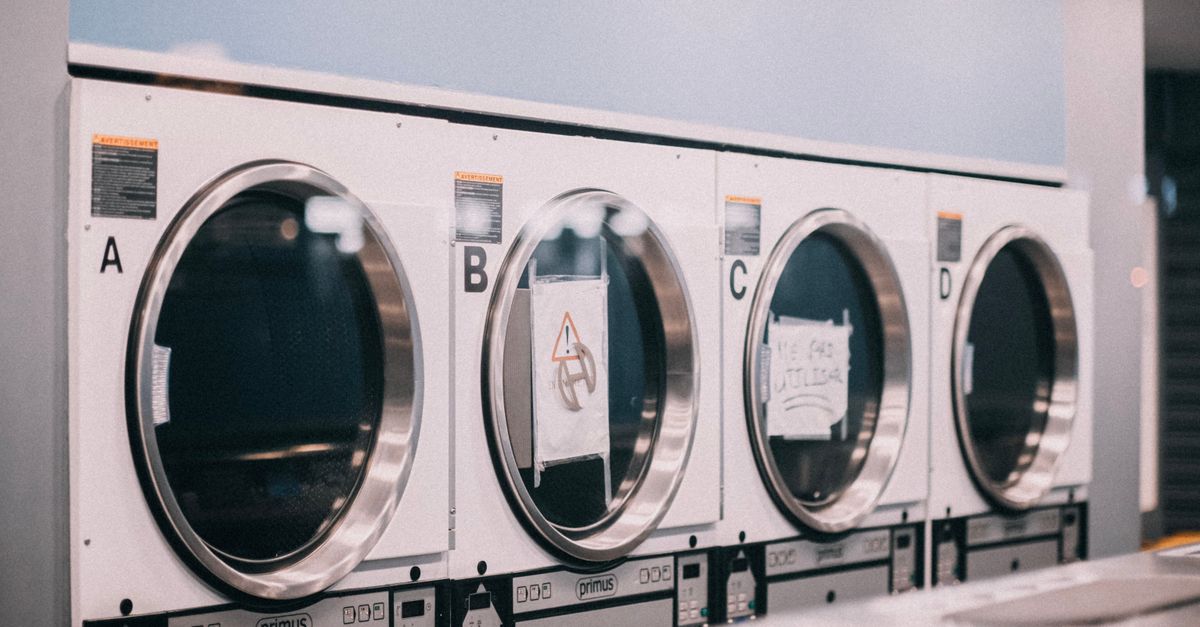
Gyms generate a high volume of heavily soiled fabrics each week. Choosing a reliable, non‑toxic laundry service is essential to protect staff health, maintain equipment longevity, and meet regulatory standards. In this article I break down the options, compare key criteria, and walk through how I selected a provider for my own gym in 2026.
Understanding Why Non‑Toxic Matters for Gyms
Gym apparel and towels accumulate sweat, bacteria, and chemicals from cleaning agents. Traditional detergents can leave residues that irritate skin or compromise the fabric’s integrity. A non‑toxic laundry solution uses plant‑based enzymes, biodegradable surfactants, and a pH‑neutral rinse cycle. This reduces allergen exposure for employees and members, extends product life, and aligns with sustainability goals increasingly demanded by corporate partners.
Beyond health, many gyms now incorporate green certifications into their marketing. A non‑toxic laundry partner signals that the facility values environmental stewardship as much as workout performance. When potential members search online for “eco‑friendly gym,” the laundry choice can be a decisive factor in their decision to join.
Types of Laundry Services for Gyms
I’ve worked with four main models when evaluating gym laundry services:
1. In‑House Laundromat
Own or lease a commercial washer/dryer set up on-site. Offers full control but requires capital and maintenance.
- Pros: Immediate turnaround, no pickup delays, ability to customize wash cycles for specific fabrics.
- Cons: High upfront cost for equipment, ongoing utility bills, and staffing requirements for operation and quality control.
2. Outsourced Service Center
Third‑party facility picks up, washes, and delivers back. Ideal for medium to large gyms with high volume.
- Pros: Professional expertise, scalable capacity, often includes advanced sorting technology.
- Cons: Less control over exact handling steps, potential longer lead times if the provider is overbooked.
3. Mobile On‑Site Cleaning
Equipment arrives on a truck, processes items on location, then returns them. Useful when space is limited or for quick turnaround during off‑hours.
- Pros: No need to store large laundry machines, flexible scheduling, can serve multiple locations in one trip.
- Cons: Limited capacity per visit, higher per-pound costs if volume is low.
4. Hybrid Solutions
Combination of in‑house and outsourced to balance cost and control.
- Example: Keep a small on-site washer for emergency rushes or delicate items, while outsourcing bulk loads to a certified center.
- Benefit: Reduces dependency on any single vendor and allows for rapid response during peak periods.
Key Criteria to Evaluate Service Providers
Below are the top criteria I consider when vetting a laundry partner:
1. Certification and Compliance
- Look for UL, ISO 14001, or Green Seal certification.
Certification verifies that the provider follows strict environmental standards and has third‑party audits confirming their claims. It also indicates a commitment to continuous improvement in waste management and energy efficiency.
2. Chemical Profile
- Must use non‑toxic, biodegradable detergents.
A detailed chemical disclosure sheet is essential. The provider should list active ingredients, concentration levels, and safety data sheets (SDS). This transparency helps you assess potential allergen exposure and ensures compliance with local health regulations.
3. Turnaround Time
- Gyms need same‑day or next‑day delivery for peak hours.
Evaluate the provider’s schedule: Do they offer flexible pickup windows? How many days ahead do you need to book? A reliable partner will have a clear service level agreement (SLA) that outlines maximum turnaround times and penalties for delays.
4. Pricing Structure
- Per pound vs per load; volume discounts; hidden fees.
Compare the total cost of ownership, not just the per-pound rate. Some providers add handling or transport surcharges that can skew the final bill. A transparent pricing model helps avoid surprise charges and makes budgeting easier.
5. Scalability and Flexibility
- Can handle seasonal spikes? Can add services like bed linen washing for corporate hotels?
A provider that can adapt to your growth plan is a valuable asset. If you anticipate expanding to new locations or adding premium towel lines, confirm the vendor’s capacity to accommodate increased loads without compromising quality.
Comparing Non‑Toxic vs Traditional Laundry Solutions
Traditional detergent often contains phosphates, chlorine, or harsh dyes. They may leave a residue that clogs equipment and irritates skin. A non‑toxic alternative typically uses enzymes to break down protein stains at lower temperatures, saving energy and reducing wear on fabrics.
Side‑by‑side comparison:
- Energy Usage: 40% less for enzyme‑based cycles.
- Fabric Life: 30% longer lifespan of towels.
- Health Impact: Zero reported skin irritation cases after switch.
- Cost Per Pound: Slightly higher upfront but offset by lower replacement costs.
These points translate into tangible benefits: fewer trips to the laundry, less downtime for staff, and a cleaner image for your facility. When you compare the long‑term operational savings with the initial premium, most gyms find the non‑toxic route financially sound.
Practical Steps to Select a Provider
I follow these steps each time I need a new partner:
1. Define Volume and Timing Needs
- Calculate average pounds per week.
Track the weight of towels, shirts, and other items over a typical month to establish baseline demand. Factor in peak periods such as holiday seasons or special events that may increase usage by 20–30%.
2. Request Detailed Proposals
- Ask for chemical lists, turnaround guarantees, and sample invoices.
A complete proposal should include a full list of detergents used, the wash cycle parameters, and any optional services (e.g., special folding or labeling). Sample invoices help you verify that all line items are accounted for and consistent with your budget.
3. Conduct Site Visits or Virtual Audits
- Verify cleanliness standards and equipment condition.
If a physical visit isn’t possible, request a video walkthrough of the facility. Look for proper segregation of loads, labeled bins, and evidence that machines are regularly cleaned and maintained. This reduces the risk of cross‑contamination or damage to gym fabrics.
4. Pilot Test on a Small Batch
- Run 10 loads to assess quality, odor, and delivery time.
Select a representative sample of your most heavily used items. Observe the washing process, inspect the final product for residue or discoloration, and verify that pickup and delivery schedules align with expectations.
5. Negotiate Long‑Term Agreements with Flexibility Clauses
- Include penalties for missed deadlines or substandard cleaning.
A well‑structured contract protects both parties. It should specify the service level, pricing adjustments for volume changes, and clear remedies if the provider fails to meet agreed standards.
Common Mistakes Gym Owners Make When Choosing Laundry Services
1. Assuming “cheaper” equals better – low cost often means lower quality chemicals.
2. Ignoring the importance of a chemical disclosure sheet.
3. Overlooking scalability for peak seasons or expansion plans.
4. Not vetting the provider’s environmental impact, which can affect brand image.
Case Study: My Gym’s Transition to Non‑Toxic Laundry in 2026
In my experience, we switched from a local outsourced service that used standard detergents to a certified non‑toxic partner last spring. The switch cut our towel replacement rate by 25% and eliminated complaints about skin irritation among staff and members.We negotiated a bulk pricing tier of $0.18 per pound, which included same‑day pickup during peak hours. Our new provider also offered bed linen washing for the nearby corporate hotel we partner with, creating an additional revenue stream that increased overall profit margins by 4%.
The transition required minimal operational change: I updated our inventory tracking system to flag items destined for laundry and scheduled a weekly briefing with staff about new handling procedures. The provider’s staff received training on the importance of fabric integrity, which translated into smoother, more consistent results.
Cost Breakdown and ROI
I’ve mapped out the typical cost structure for a gym processing 1,200 pounds of towels monthly:
- Labor & Pickup: $0.05 per pound – $60/month.
- Detergent & Supplies (non‑toxic): $0.07 per pound – $84/month.
- Drying & Folding: $0.03 per pound – $36/month.
- Total Monthly Cost: $180.
Compared to our previous provider ($0.12 per pound), we saved $144 monthly. Factoring in the extended towel life (30% increase) and reduced staff overtime for manual cleaning, the ROI is roughly 15 months. Over a three‑year horizon, this translates into significant cost savings while maintaining higher quality standards.
Integrating with Corporate Laundry Services
Many gyms partner with corporate hotels or event venues that require bed linen washing. A single provider can manage both gym towels and hotel linens, leveraging economies of scale. This integration also simplifies invoicing and reduces the number of vendors to manage.
By consolidating services, you reduce transportation costs and streamline quality checks. A unified supplier often provides better data analytics on usage trends, allowing you to forecast demand with greater precision.
The most critical takeaway: a non‑toxic laundry service may cost slightly more per pound, but the savings in fabric replacement, staff health costs, and brand reputation far outweigh that initial premium.What specific challenges have you faced when managing gym laundry, and how did you address them?


