
Which Laundry Service Is Best for Outdoor Gear and Home Carpets in 2026?
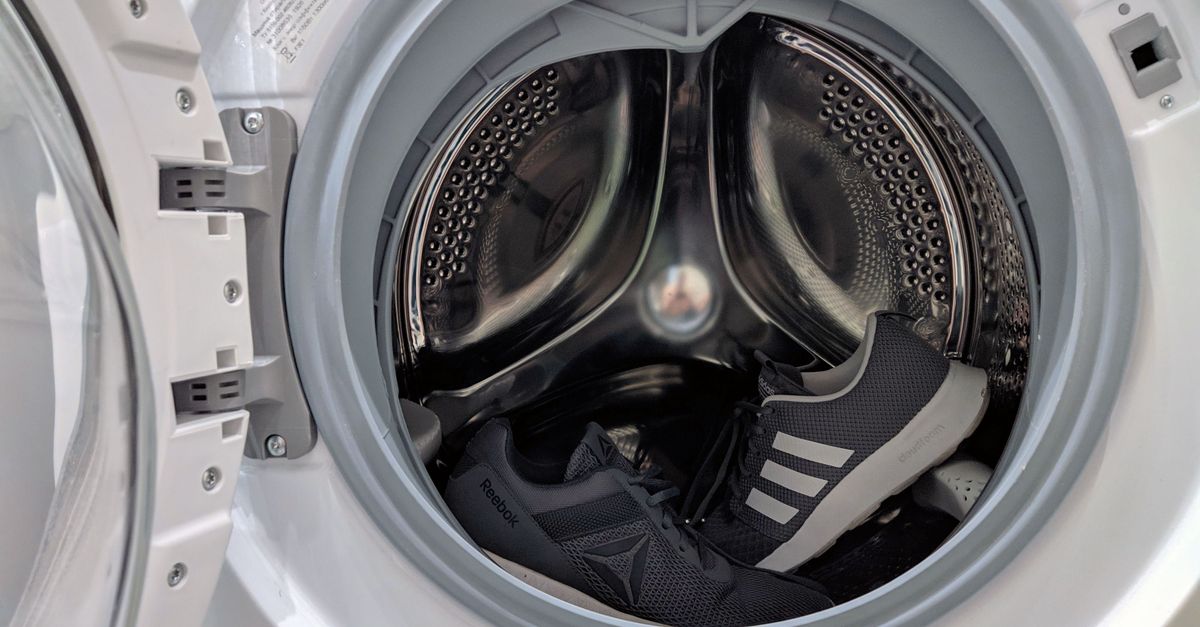
When you’re juggling a busy family life, a growing business, and outdoor adventures, finding reliable laundry solutions can feel like another chore. Whether it’s getting your hiking jackets back spotless or keeping living room rugs fresh, the right service can save time, protect gear, and even extend product life. Below I break down the main options—outdoor wear cleaning, carpet laundry services, self‑service laundry, drop‑off laundry service, and mobile laundry service—so you can pick what fits your schedule and budget.
Understanding Your Laundry Needs
Before choosing a provider, ask yourself two questions: What material do I need cleaned, and how often will I use the service? Outdoor gear is usually made from performance fabrics that require gentle handling. Carpets demand deep‑cleaning techniques to remove embedded dirt. Self‑service laundromats are great for quick jobs, while drop‑off or mobile services offer convenience at a premium.
Outdoor Wear Cleaning
Performance jackets, hiking pants, and rain gear often have special coatings—like DWR (Durable Water Repellent) or breathable membranes—that can degrade if washed improperly. A specialized outdoor wear cleaning service will:
- Use low‑temperature detergents that preserve fabric integrity.
- Treat stains with enzyme‑based solutions that won’t strip waterproofing.
- Offer re‑coating options to restore wind and water resistance.
- Handle delicate items such as down jackets without damaging insulation.
For example, a typical down jacket is washed at 30 °C with a gentle cycle, then dried on a low heat setting. Afterward, the service applies a DWR spray that bonds to the fabric’s outer layer. This process can extend the garment’s effectiveness by up to two seasons, saving you money in the long run.
If you’re a frequent camper or athlete, investing in a dedicated outdoor wear cleaning routine keeps your gear performing at peak levels and prolongs its lifespan.
Carpet Laundry Services
Most homeowners overlook how often carpets are truly cleaned. Regular vacuuming removes surface dirt, but deep stains—coffee, pet urine, or mud—require professional intervention. Carpet laundry services typically use:
- Hot water extraction to lift embedded debris.
- Eco‑friendly cleaning agents that avoid harsh chemicals.
- Stain‑specific treatments for wine, oil, and biological spills.
- Dry‑dry or low‑temperature drying to prevent shrinkage.
Choosing a service with a strong reputation for odor removal can also improve indoor air quality—a win for families with children and pets. Many providers recommend cleaning every 12–18 months depending on foot traffic; high‑use areas like living rooms may need more frequent attention. Some companies offer “spot‑clean” kits that let you address minor stains between full cleanings.
Self‑Service Laundry
If you prefer hands‑on control, self‑service laundromats offer:
- Large machines that handle bulky items like comforters or blankets.
- On‑site folding tables to streamline the process.
- Affordable per‑cycle pricing for budget‑conscious users.
Modern laundromats often feature Wi‑Fi‑enabled machines, allowing you to track cycle progress from your phone. Many also accept contactless payments and offer loyalty cards that accumulate free washes after a certain number of visits.
However, self‑service options lack specialized care for performance fabrics and deep carpet cleaning. They’re best suited for everyday loads—towels, sheets, and regular clothing.
Pros and Cons of Self‑Service Laundry
- Pros: Low cost per load, no waiting time, flexible hours, ability to use your own detergent if you prefer.
- Cons: Limited to standard detergents, no stain specialists, risk of fabric damage on high‑speed spin cycles, lack of environmental controls in older facilities.
Drop‑Off Laundry Service
Drop‑off services combine convenience with professional care. You bring your items to a local hub or drop them in via a scheduled pickup, and the provider handles washing, drying, and folding.
- Typical turnaround: 24–48 hours for standard loads.
- Many offer same‑day pick‑up for urgent needs.
- Pricing often tiered by weight or item type.
When packing, use the provider’s recommended garment bags to prevent lint transfer. Label each bag with a clear description—e.g., “Outdoor jackets” or “Pet bedding”—to ensure staff treat items appropriately. Tracking numbers are usually emailed so you can monitor progress in real time.
Mobile Laundry Service
The newest entrant in the market is on‑demand mobile laundry. A truck or van arrives at your doorstep with washing and drying equipment, often integrated with app scheduling.
- Convenience: no travel required, perfect for busy schedules.
- Eco‑friendly models use water recirculation systems to reduce waste.
- Premium pricing is justified by the time saved and the ability to treat items like outdoor gear on site.
Mobile services typically charge a flat fee plus an optional “express” surcharge if you need same‑day results. Many providers also offer insurance coverage for lost or damaged items, giving you peace of mind when transporting delicate gear.
Choosing the Right Service for Your Lifestyle
Selecting a laundry solution is less about the service itself and more about how it meshes with your daily life. Consider these factors:
Cost Considerations
Price structures vary widely: self‑service laundromats charge per load, drop‑off services may have flat rates or weight‑based fees, while mobile laundry typically charges a premium for the convenience factor.
- Estimate your monthly laundry volume to compare total costs. For instance, if you wash 10 loads of regular clothing (≈20 kg) at $2 per load, that’s $20/month. A drop‑off service charging $0.50/kg would cost $10 for the same weight.
- Look for bundle deals—many providers offer discounts on repeated use or combine outdoor gear cleaning with carpet services for a reduced rate.
Convenience Factors
Time is often the most valuable commodity. Mobile services eliminate travel time, but they may require you to be home during pickup windows. Drop‑off locations need to fit into your commute or evening schedule. Self‑service laundromats are open late but demand that you haul items yourself.
Quality & Eco‑Friendly Options
If protecting the planet matters, ask providers about:
- Use of biodegradable detergents.
- Water recycling or low‑water wash cycles.
- Energy‑efficient dryers.
Many modern services now offer “green” certifications that can be verified online, such as the Green Seal or Energy Star ratings. These credentials ensure that the facility meets strict environmental standards for emissions and resource consumption.
Common Mistakes to Avoid
No matter the service, certain pitfalls can undermine results:
Poor Labeling and Sorting
Always separate performance fabrics from regular clothing. A single mislabelled jacket could lose its waterproof coating or shrink in a high‑heat cycle.
Ignoring Care Instructions
Some providers read labels; others rely on customer instructions. If you’re unsure, double‑check the garment’s care tag and confirm with staff before handing it over.
Skipping Pre‑Treatment for Stains
Stubborn stains—like grease or ink—benefit from pre‑treatment. If your provider offers stain‑removal services, let them know upfront; otherwise, treat the spot yourself before dropping it off.
Overlooking Service Guarantees
Check whether a provider guarantees stain removal or fabric protection. A solid guarantee can protect you from costly replacements if something goes wrong.
My Personal Experience with Laundry Services
I’ve tried every option in 2026, from a local laundromat to a high‑tech mobile service. In my experience, the biggest win came with a drop‑off partner that specializes in outdoor gear. They re‑coated my hiking jacket’s DWR layer after washing, saving me the cost of buying a new one. For carpet cleaning, I used an eco‑friendly service that removed pet stains without any harsh chemicals—my kids and dogs never complained about the scent afterward. The mobile service was a lifesaver during a family vacation; we didn’t have to lug laundry bags across states. Key takeaway: Match your laundry needs with the right service type—performance fabrics deserve specialized care, while regular loads thrive in self‑service laundromats.Which laundry solution has saved you time and money during a recent outdoor trip or household event?


